International Kung Fu Association
Great Grandmaster Tang Fong
Great Grandmaster Tang Fong
1st Generation From Wong Fei Hung
· Lo Wan Ku (Old Square Mind): Stubborn to the Point of Reverence · When the Sun Falls in the Western Sky, the Tiger of the West Gate Awakens ·
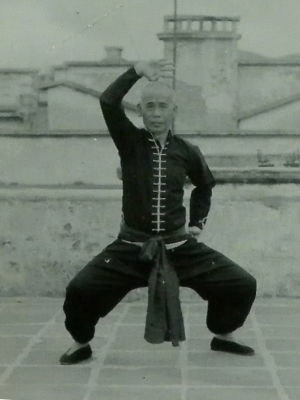
Great Grandmaster Tang Fong (邓芳, 1879–1955) was born in Sam Sui, in Guangdong province. From a young age, he learned kung fu, medicine, and mao san (folk sorcery) from his father, Tang Biu (邓彪). He then learned from Yuin Yim (尹炎) at Duk Sing Lai (德星里), on Cheung Sao Lou (长寿里) in Guangzhou, learning old-style Hung Kuen (Village Hung) from him and Wong Yao (黄尧).
Later on, he went to the Wah Lum Temple to study martial arts from the monk Sing Ling Dai Si (圣灵大士), where he learned the Left-Handed Plum Blossom Spear.
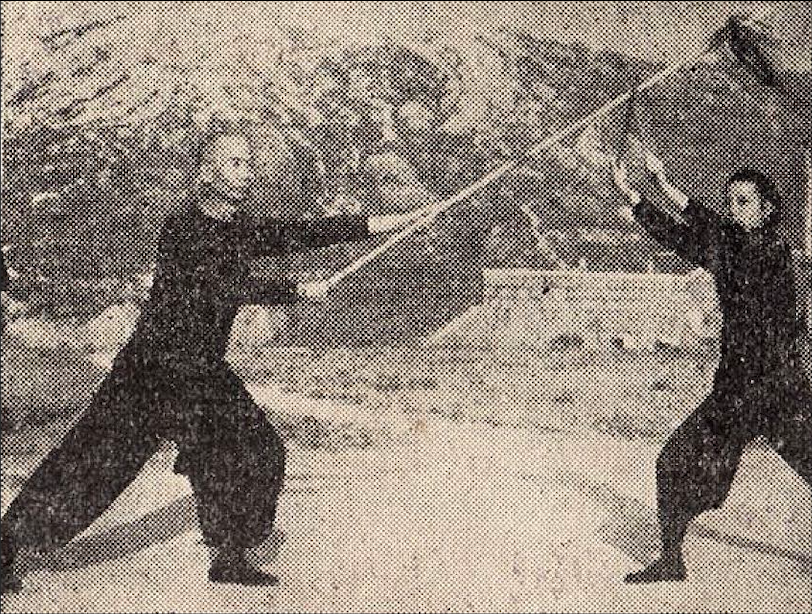
Finally, Tang Fong began learning the Hung Ga system under Great Grandmaster Wong Fei Hung (黃飛鴻). As Tang Fong already had a good foundation in medicine from his father, Wong Fei Hung taught him all of his dit da medicine knowledge as well as later refining Tang's Hung Ga hand and weapon forms. As Wong Fei Hung became older, he relegated the teaching of the kung fu skills to his senior students, while he focused on imparting his medical knowledge. These seniors all had a part in teaching and raising the young Tang Fong. From Lam Sai Wing he learned Darn Dao, Seurng Dao and Single Jian (sword). From Ling Wan Gai he learned the 5th Brothers 8 Diagram pole. From Chan Din Biu he learned the Green Dragon Guan Dao, and from Wong Fei Hung he learned the skill of hitting the nerve points and Medical/Dit Da knowledge. Because of this, Great Grandmaster Tang Fong's skill became of the highest level.
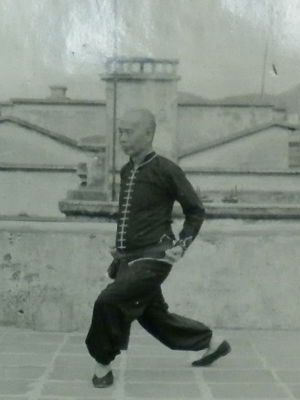
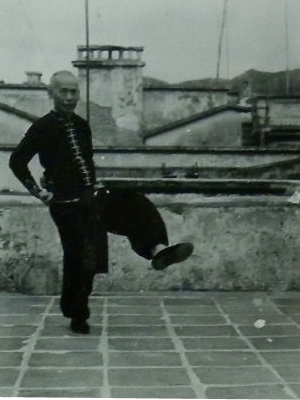
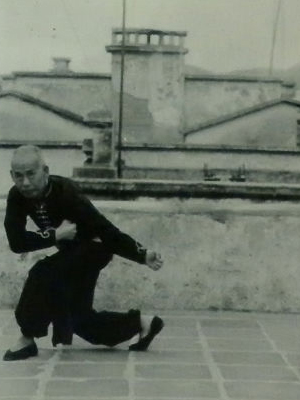
Once he had completed the style, Tang Fong opened a school at Sai Gwan Dai Ho Gai (西关大河街) with Wong Fei Hung’s permission. The school was called the Yi Yong Tang (义勇堂), or Chivalrous Brave Hall. Mok Gwai Lan became his Jo Gow, or assistant, and she also taught women’s kung fu and lion dance. The school was very famous for having one male and one female lion. Mok Gwai Lan and Tang Sao King would perform the Si Ji Seung Lao Toi (双狮上楼台), or “Lion Jumps Up to the Pagoda” and Si Ji Tou Kao (狮子吐球), or “Lion Throws the Ball.” At the time, this was the best show around.
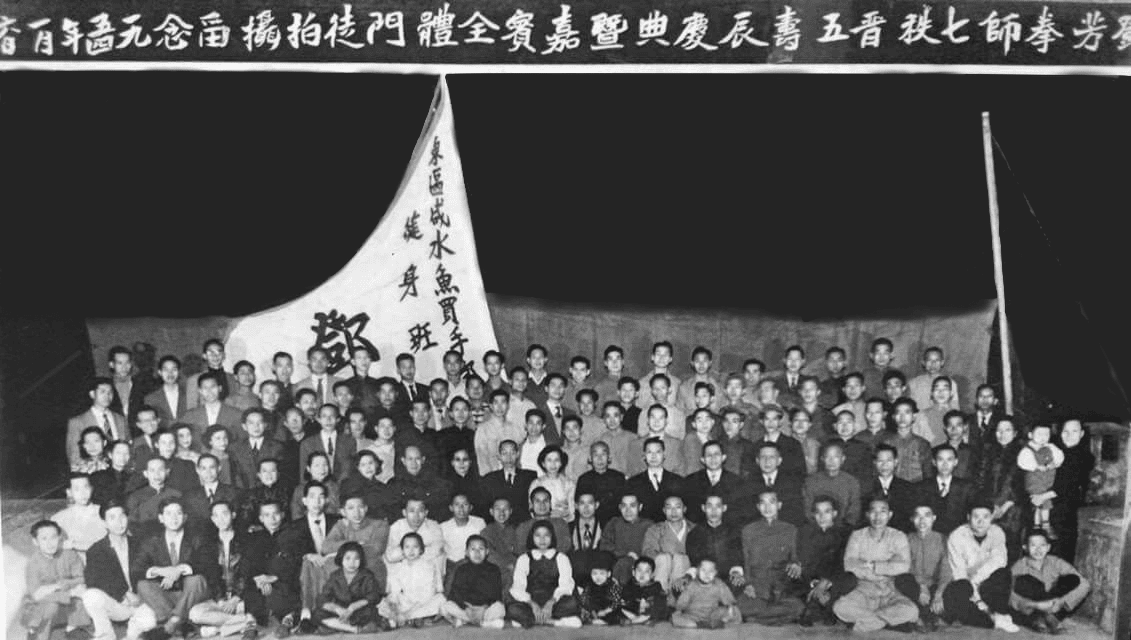
Tang Fong was a very accomplished martial artist. Once, long before he opened a school, there was a Cheung Pao festival in the Choi San Miu (财神庙), or Money God Temple, at the West Gate. Lam Sai Wing, Tang Fong, Tang Yi, and Gwan Kwan were all there, as well as Sifu Sui Low Yuk (萃老玉)—Tang Fong’s training brother from the Yong War Tong (涌华堂) school—and Sifu Yuin Ho (袁开) from the Gum Lun Tong (锦轮堂) school. Yong War Tong was surrounded by a rival school, and they all went up to help him.
Tang Fong was like a young tiger at this point, very eager to take part. He defeated the Sifu from the rival school without any help from the others using the Three Star Cover Fist / Sam Sing Cup Choi (三星蔽拳), and Gwan Kwan beat the school’s eldest student. From that day forward, Tang Fong became known as the “West Gate Tiger.”

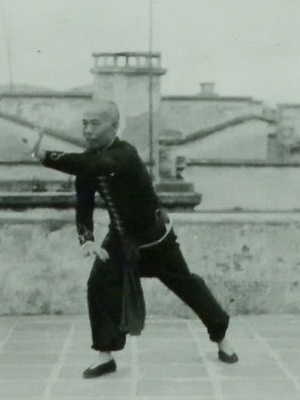
In the well-known Lok Sin Theater incident, Tang Fong, Lam Sai Wing, and several other training brothers were caught inside the theater by a group of rivals. Many of their assailants were killed or injured, and Tang Fong and his brothers all escaped. The Qing government then put out a warrant for them, and they fled the country. Tang Fong went to Sung Kai San in Kuala Lumpur, Malaysia, and supervised a branch school there for two years.
When the Qing government fell and the People’s Republic of China was established, Tang Fong returned to Sai Gwan and reopened the school. In 1937, the Hong Kong Jewelry Union and the East Borough Fish Market Association invited Tang Fong to teach kung fu and lion dance, and he gladly accepted.
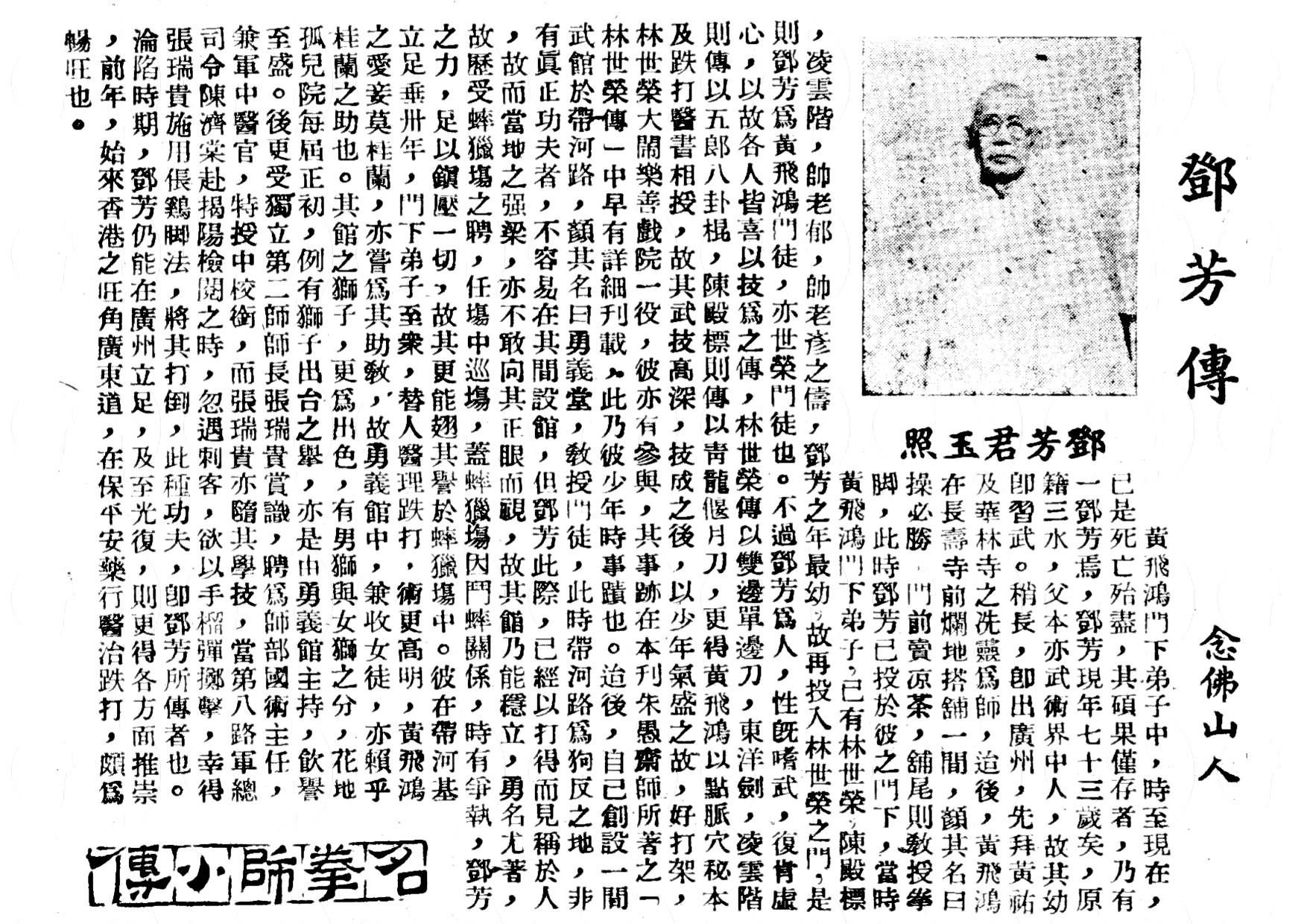
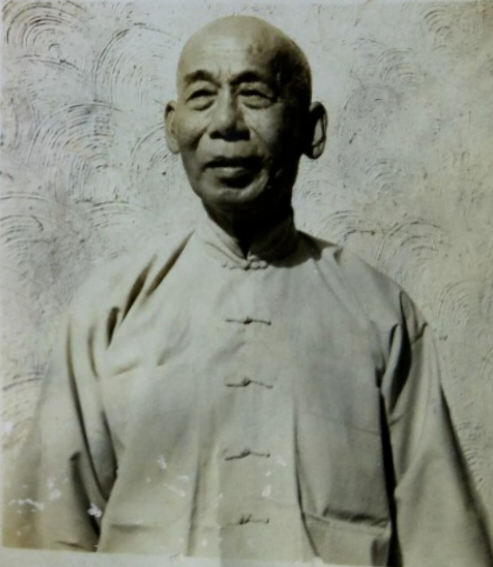
Tang Fong had too many students to mention and later started a large lineage of Hung Ga Kuen in Hong Kong that has since spread across Asia and the world. Some of his most successful students included Yuen Ling (阮玲), Ho Lap Tin (何立天), Wong Jou (黄祖), Lao Kai Dong (刘启东), Chau Wing Tak (周永德), Gu Gam (古锦), Jao Gum Ying (周金英), and Chan Sun Fat (陳新發), all of whom opened schools of their own.
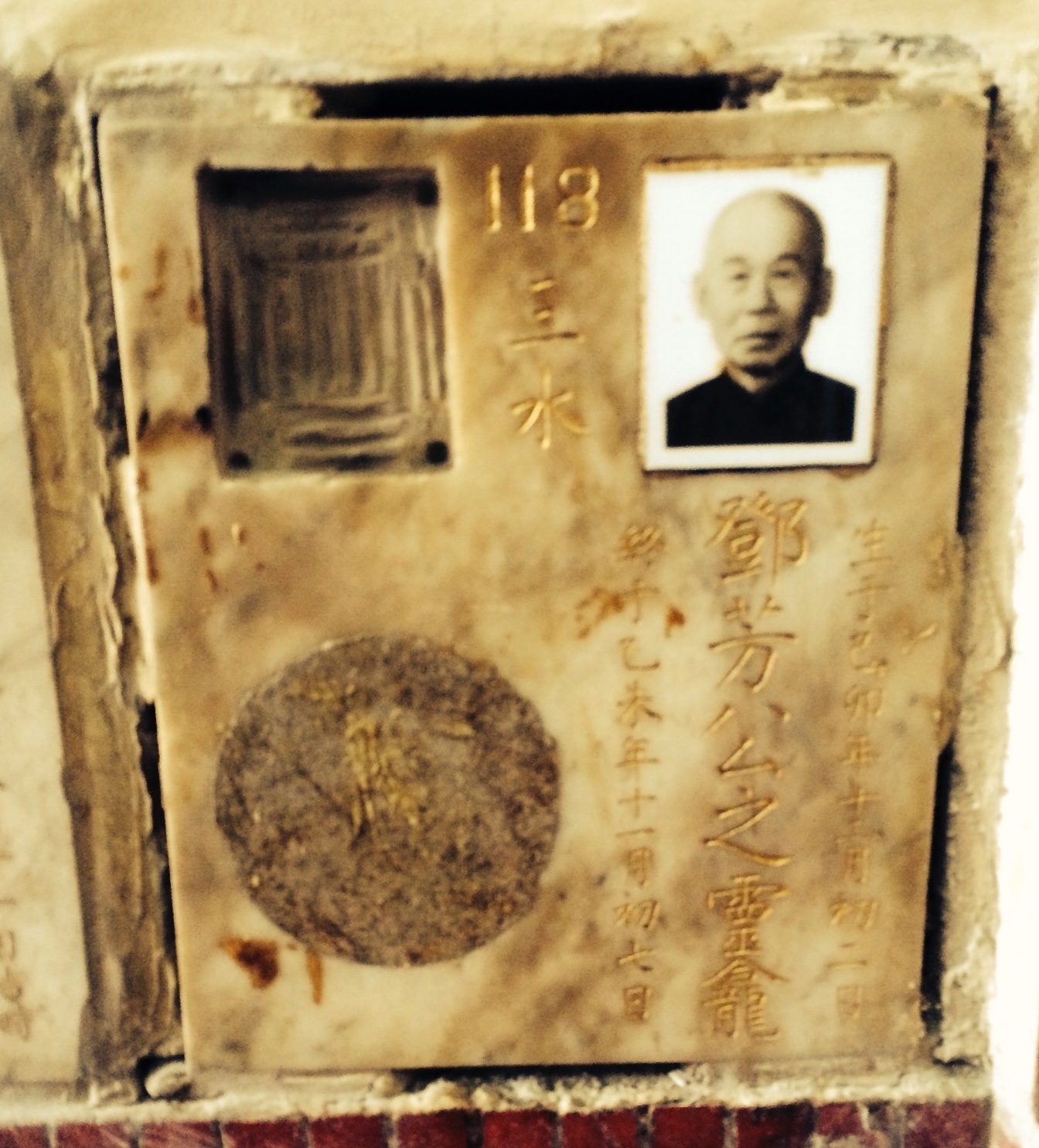
Tang Fong died on December 20, 1955, at the Hong Kong French hospital. His ashes are buried in Hong Kong at a Taoist temple called Tsing Chung Sin Yuen. They can be found in the Lin Yao Tong on the ground floor at number 118. They are kept in a double box (for he and his wife) marked with the character “Luk,” meaning prosperity.
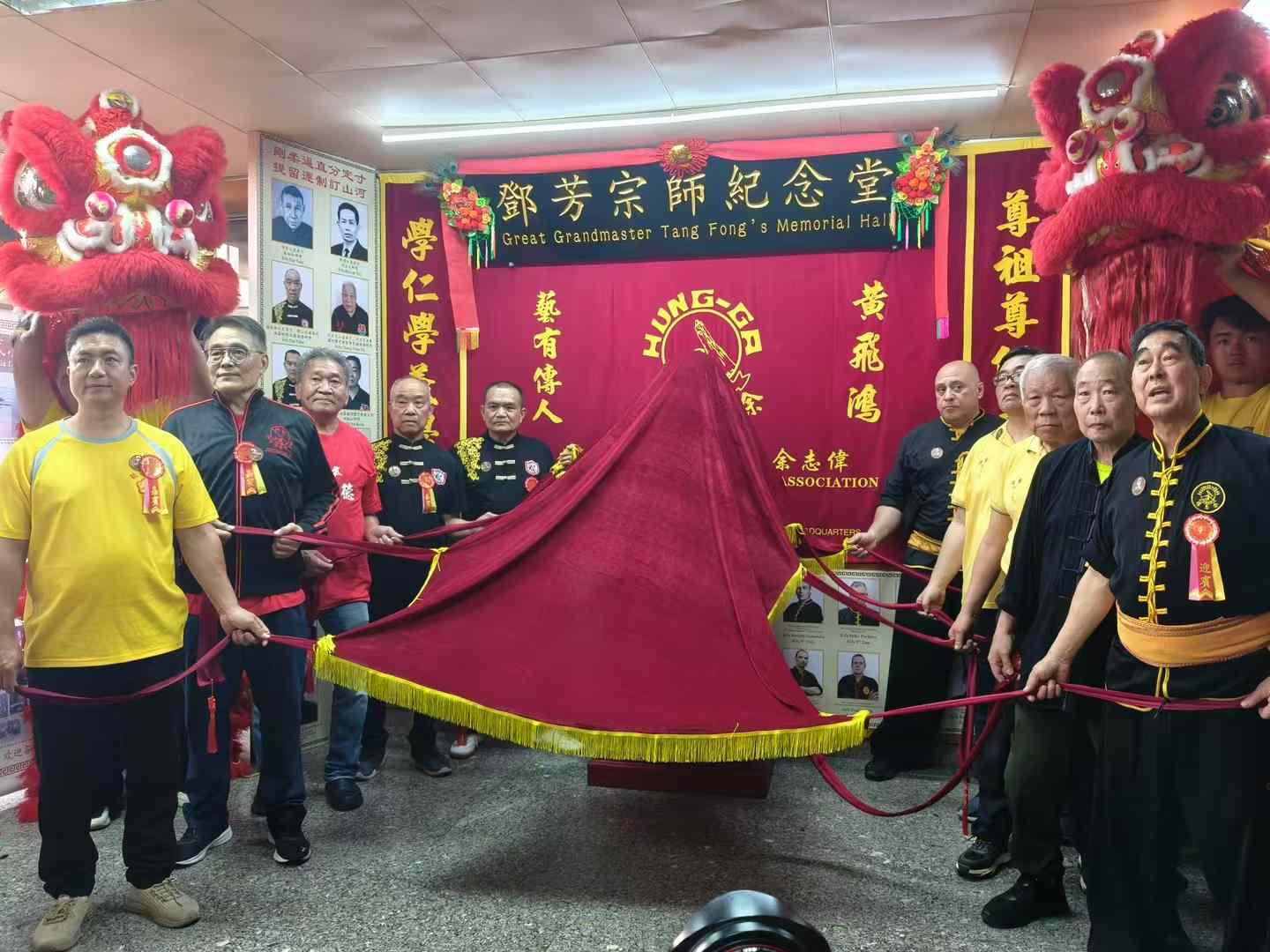
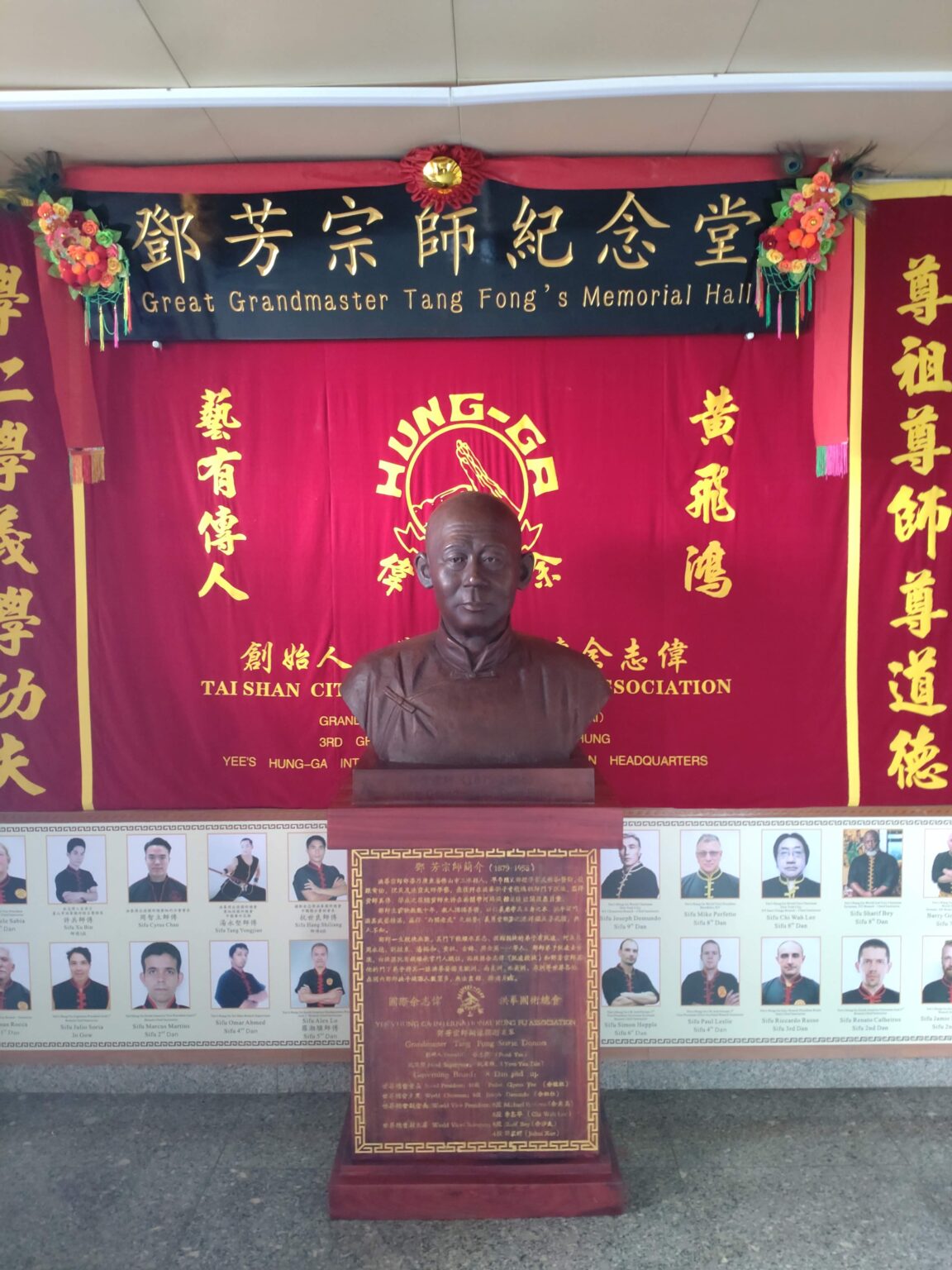
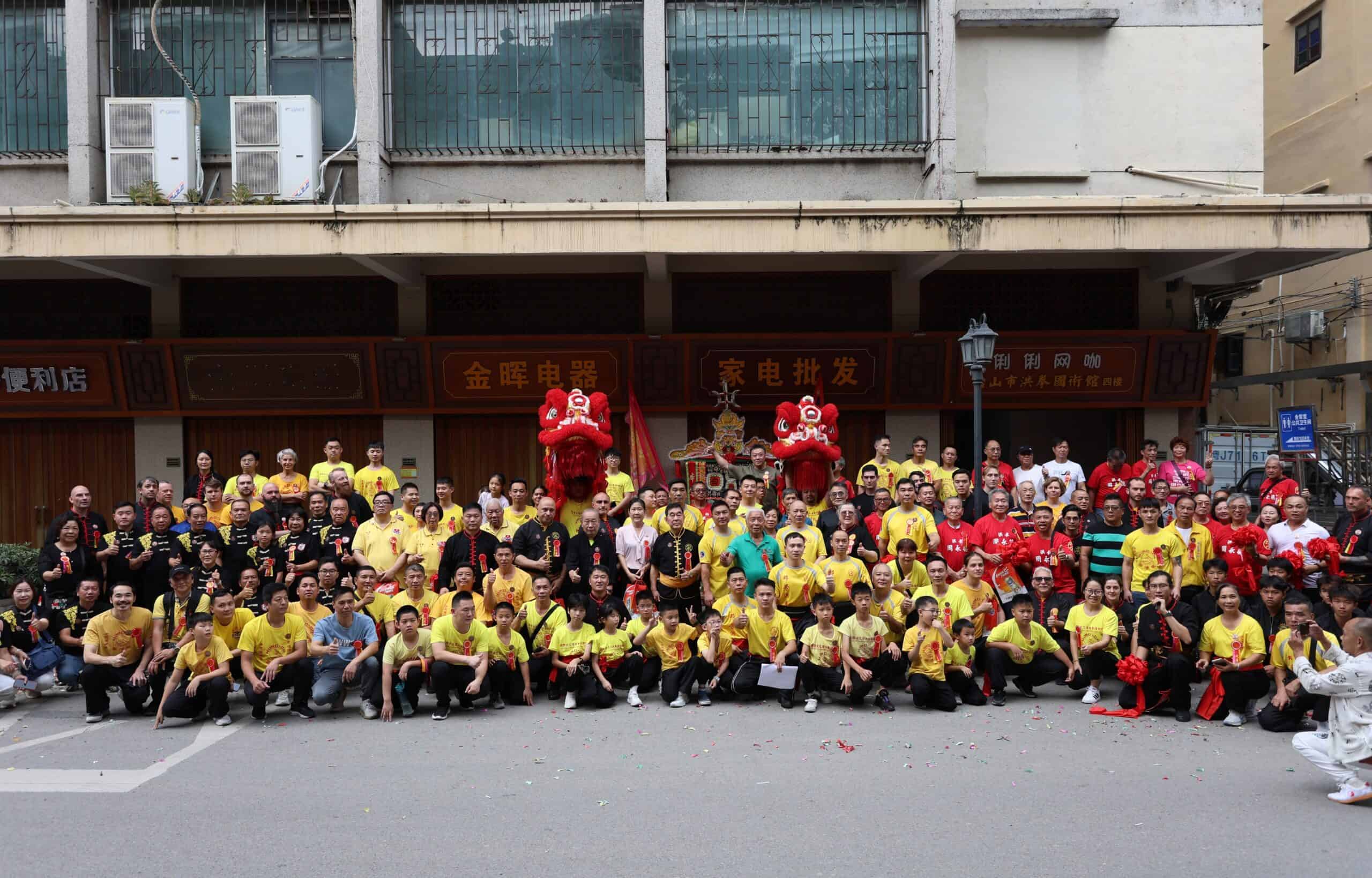
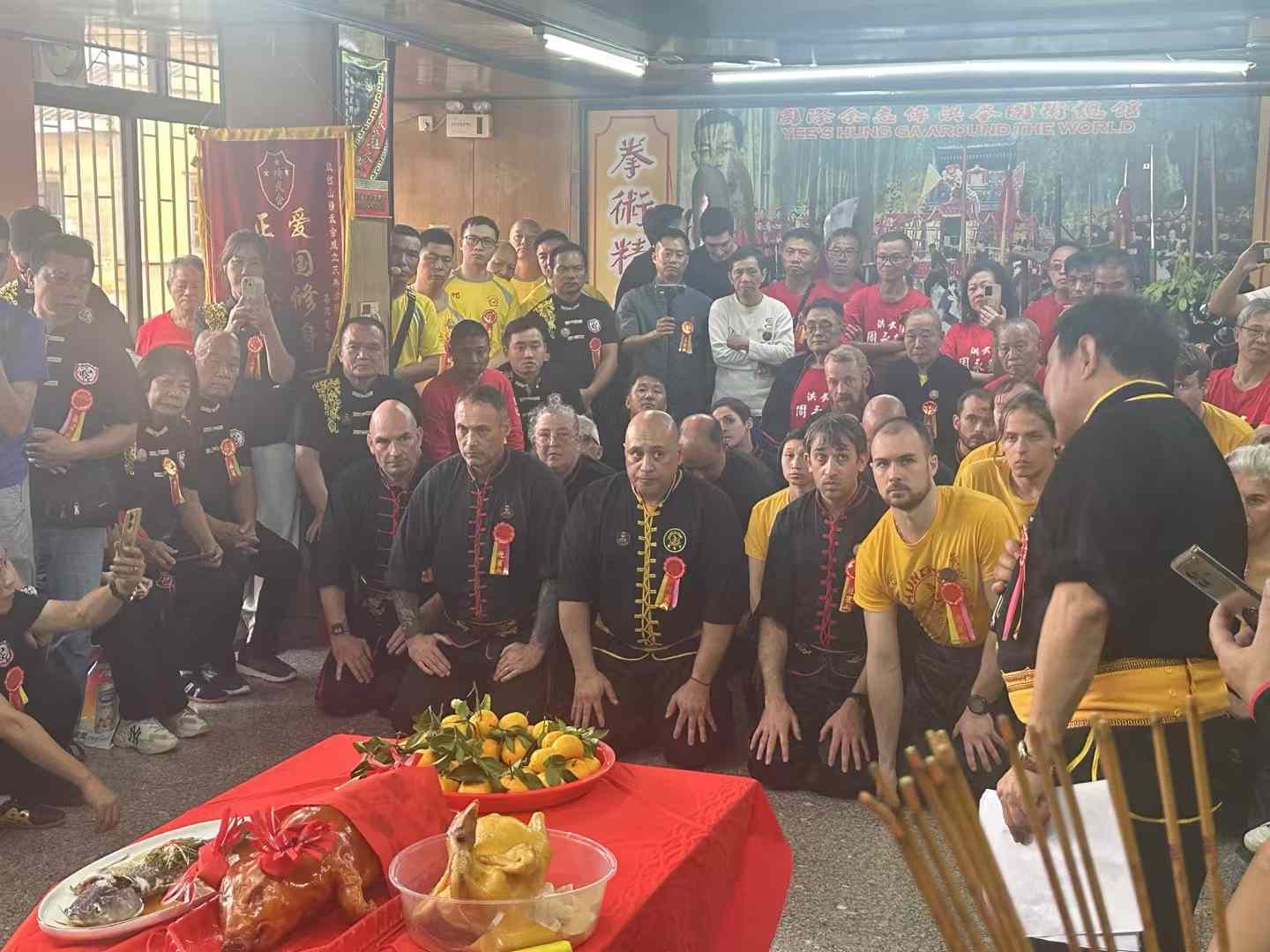
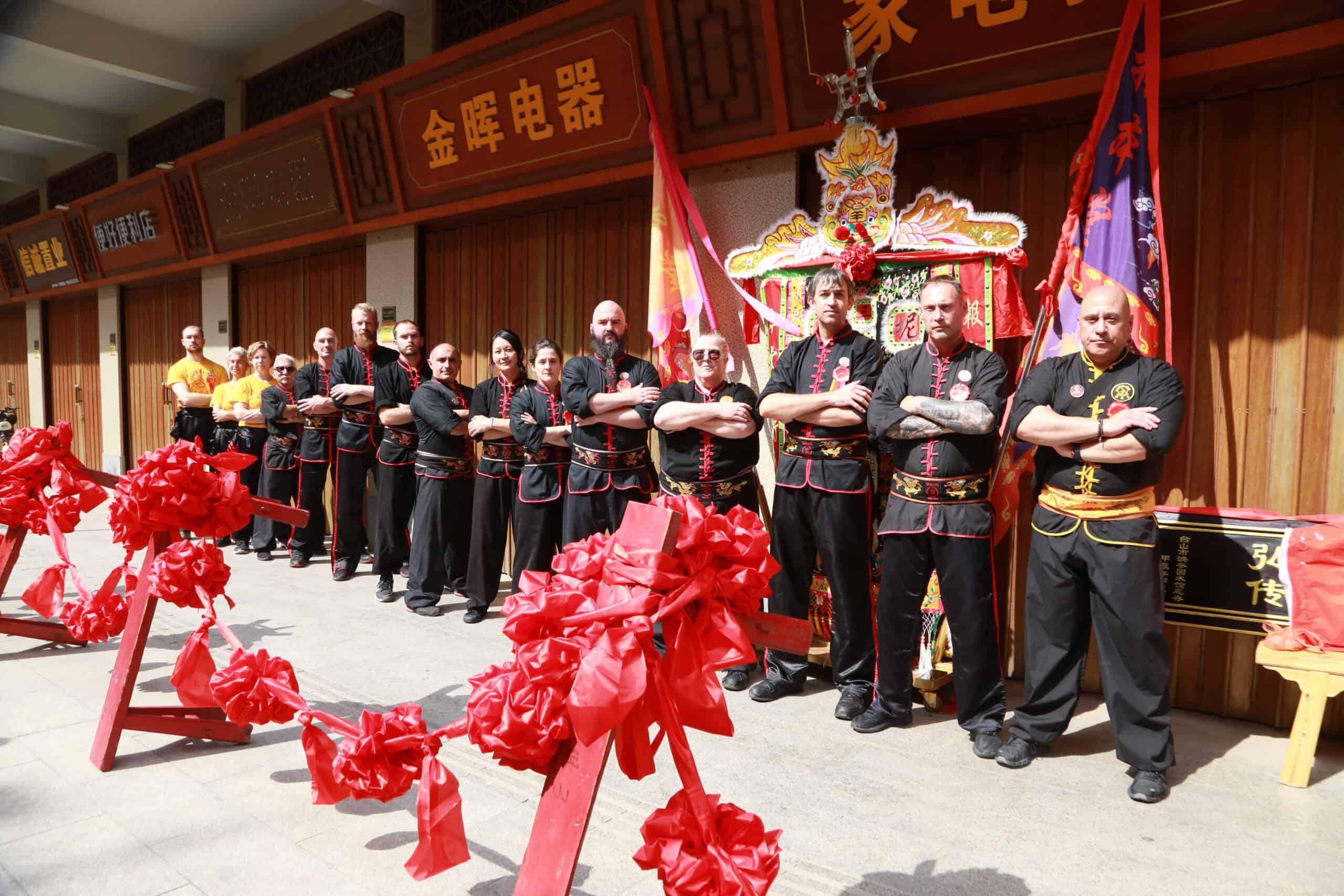
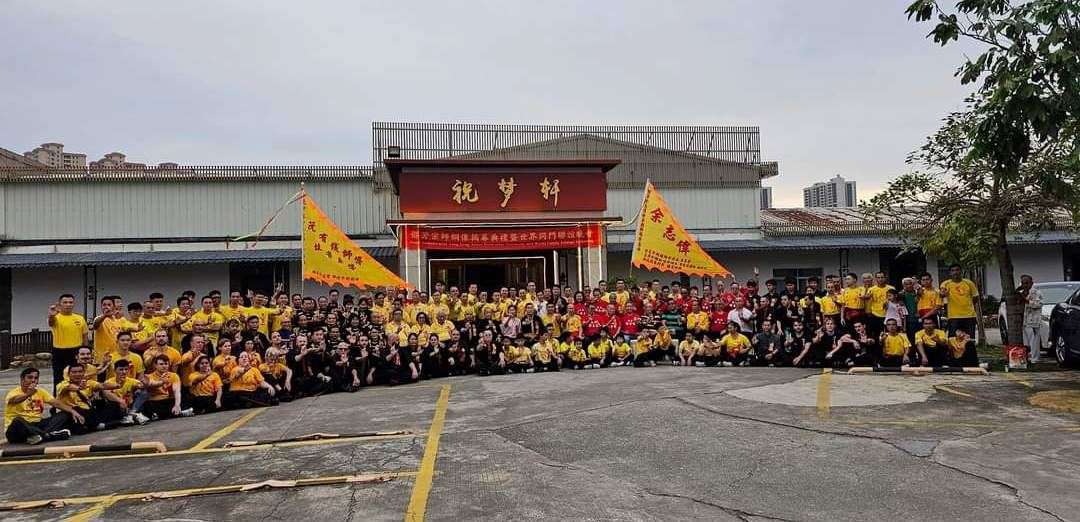
On October, 2024, the Great Grandmaster Tang Fong's Memorial Hall was officially inaugurated at Taishan City Hung Ga Kung Fu Association, the Yee's Hung Ga China Headquarters. Established by his lineage, the memorial hall serves as a tribute to Tang Fong’s enduring legacy, where his grandstudents and great-grandstudents continue to preserve and honor his memory, dedication, and profound contributions to the art of Hung Ga.
Services
Our Style
School Locations
Copyright © 2025 Yee's Hung Ga International Kung Fu Association.
All rights reserved.
USA Headquarters - 68 Union Ave, Clifton, NJ 07011
+1 (973) 772-8988